
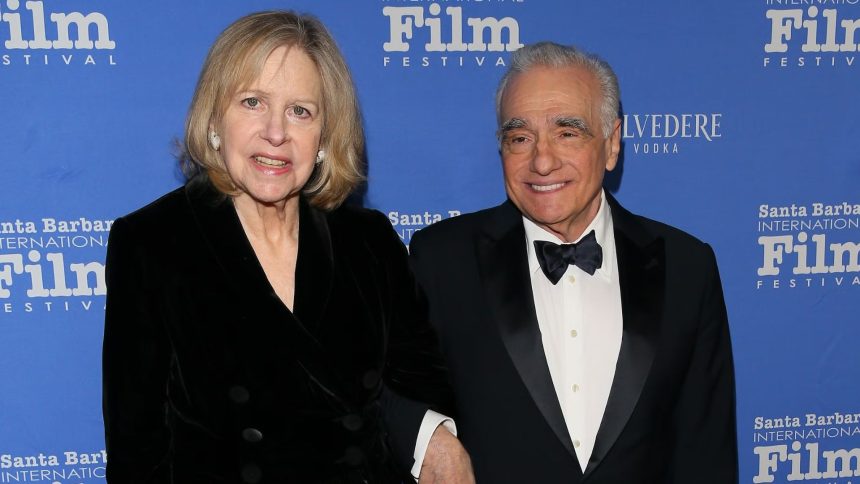
Introduction: A Life That Speaks Without Loud Headlines
Have you ever noticed how some people influence the world without constantly being in the spotlight? Helen Morris is one of those names that often sparks curiosity, yet she remains somewhat private compared to many public figures. And maybe that’s exactly what makes her story interesting.
In a world where attention often goes to loud voices and constant visibility, Helen Morris represents something different—calm strength, intellectual contribution, and a life shaped by creativity and meaningful relationships. She is known for her work in publishing and television, as well as her connection to the world of film through her marriage to acclaimed director Martin Scorsese.
But reducing her identity to just relationships or associations would be unfair. Her life touches on themes of writing, media, personal resilience, and the balance between private identity and public curiosity.
In this article, we’ll explore her background, career, personal journey, and broader influence. Think of it like opening a book where each chapter reveals a quieter but deeply meaningful layer of a person who chose substance over spotlight.
Early Life and Background: The Foundations of a Thoughtful Mind
Every story begins somewhere, and Helen Morris’s early life laid the groundwork for her creative and intellectual path.
While not every detail of her childhood is widely publicized, what stands out is her connection to literature, storytelling, and education. People who later work in writing or media often grow up surrounded by books, ideas, or environments that encourage curiosity. Helen’s background reflects that kind of quiet intellectual formation.
It’s often said that early life experiences act like the roots of a tree—you don’t always see them, but they shape everything that grows above the surface. In her case, those roots seem to have nurtured an appreciation for narrative, communication, and culture.
What’s interesting is that she did not build her identity through public performance or celebrity culture. Instead, she followed a path that leaned toward thoughtful expression, which later became evident in her professional choices.
Education and Formative Years: Shaping a Creative Perspective
Education plays a major role in shaping how people see the world. Helen Morris’s academic journey helped build her understanding of storytelling, language, and media.
Rather than focusing only on technical skills, her formative years appear to have encouraged critical thinking and creativity. These qualities are essential in fields like publishing and television, where understanding human behavior and emotional depth matters just as much as technical ability.
Think of education like a lens in a camera. The clearer and more focused the lens, the sharper the picture of the world becomes. For Helen Morris, that lens seems to have sharpened her ability to observe and contribute meaningfully to creative industries.
During these years, she likely developed the ability to analyze stories—not just as entertainment, but as reflections of culture and human experience. That perspective would later become valuable in her professional life.
Career in Publishing and Writing: A Voice Behind the Scenes
Helen Morris is often associated with publishing and editorial work, areas that require precision, patience, and a deep appreciation for storytelling.
Unlike performance-based roles, publishing is often behind the scenes. Editors and writers shape narratives without always receiving public recognition. But their influence is everywhere—in books, magazines, and cultural discourse.
Her work in this field highlights an important truth: not all impact needs an audience watching in real time. Sometimes, influence spreads quietly through pages, ideas, and carefully crafted words.
Working in publishing also means engaging with different voices and perspectives. It’s a bit like being a gardener—selecting, nurturing, and shaping stories so they can grow and reach readers in meaningful ways.
Helen Morris’s contribution in this space reflects a commitment to intellectual work rather than public recognition, which is increasingly rare in today’s attention-driven world.
Work in Television and Media: Expanding Creative Horizons
Beyond publishing, Helen Morris has also been associated with television production and media-related projects.
Television is a different world compared to print. It moves faster, relies heavily on visuals, and demands collaboration between writers, directors, and producers. Transitioning into or contributing to this space shows adaptability and creative flexibility.
In media production, storytelling becomes more dynamic. It’s not just about words on a page—it’s about sound, imagery, pacing, and emotion. Helen’s involvement in this field suggests a broad understanding of storytelling across different formats.
If publishing is like writing a detailed letter, television is like painting a moving picture. Both require creativity, but they express it in very different ways. Her ability to engage with both reflects a well-rounded creative perspective.
Personal Life and Family Connections: A Private Yet Publicly Noted Figure
One of the most widely known aspects of Helen Morris’s life is her marriage to filmmaker Martin Scorsese, one of the most influential directors in cinema history.
However, it’s important to understand that being connected to a well-known figure does not define a person’s entire identity. Helen Morris has maintained a relatively private lifestyle, choosing to stay away from excessive public attention.
In many ways, this balance between visibility and privacy is difficult to maintain. When someone is connected to a major public figure, curiosity naturally follows. Yet she has managed to keep her personal world grounded and largely out of the spotlight.
This kind of life balance is like walking a tightrope—requiring stability, focus, and a clear sense of self.
Her role as a partner and family figure is often mentioned in public discussions, but it exists alongside her own professional and intellectual identity.
Creative Style and Interests: A Preference for Meaning Over Noise
Helen Morris’s professional journey suggests a preference for meaningful storytelling rather than superficial content.
People who work in writing and media often develop a strong sense of what makes a story valuable. It’s not just about entertainment—it’s about emotional truth, clarity, and resonance.
Her approach can be described as thoughtful and grounded. Instead of chasing trends, she appears to align with work that has depth and long-term relevance.
If creativity were a conversation, her style would be the kind that makes you pause and think, rather than simply react.
This mindset reflects an appreciation for substance over spectacle, something that is increasingly rare in fast-paced media environments.
Public Perception and Media Attention: A Quiet Presence in a Loud World
Despite her connections and professional background, Helen Morris is not a heavily public-facing figure. This has shaped how people perceive her.
Public perception often depends on visibility. The more someone appears in media, the more defined their public image becomes. In Helen’s case, limited exposure has created a sense of curiosity and quiet respect.
Some people see this as intentional privacy, while others interpret it as a personal preference for a grounded life away from public pressure.
In a way, her presence in public discourse is like soft background music—you notice it, but it doesn’t demand attention. And sometimes, that subtlety is what makes it memorable.
Challenges and Balancing Private Identity: Life Beyond the Spotlight
Living a life connected to media and film culture comes with unique challenges. Privacy becomes valuable, and maintaining personal boundaries becomes essential.
For Helen Morris, balancing professional work, family life, and public curiosity likely required careful navigation.
It’s easy to assume that being associated with fame simplifies life, but in reality, it often adds complexity. Expectations increase, and personal space becomes harder to maintain.
Her ability to maintain a relatively private identity suggests resilience and clarity about what matters most in life.
This balance can be compared to sailing a boat through shifting winds—you cannot control the weather, but you can adjust your direction.
Influence and Legacy: Quiet Contributions with Lasting Impact
Not all influence is visible. Some of it exists in the background, shaping ideas, supporting creative work, and contributing to cultural spaces in subtle ways.
Helen Morris’s legacy is not defined by public awards or constant media coverage. Instead, it is reflected in her contributions to publishing, media, and her role within a broader creative ecosystem.
People like her often play essential roles in shaping narratives that reach millions, even if their names are not always widely recognized.
Her influence is best understood as part of a collective creative effort—one where many voices work together to build stories, ideas, and cultural memory.
Lessons from Her Journey: What We Can Learn
There are a few meaningful lessons that can be drawn from Helen Morris’s life:
- You don’t need constant visibility to have impact
- Quiet work can be just as powerful as public fame
- Balance between personal and professional life is essential
- Creativity exists in many forms, not just performance
- Privacy can be a strength, not a limitation
Her journey reminds us that success is not one-size-fits-all. Some people lead loudly, while others contribute quietly—and both matter.
Why Her Story Matters Today: A Reflection on Modern Visibility
In today’s world, where social media often defines success, Helen Morris represents a different kind of narrative.
She reminds us that not every meaningful life is lived in public view. Some of the most important contributions happen behind the scenes—in writing rooms, editing desks, and quiet conversations.
Her story encourages us to rethink how we define influence. Is it always about followers and visibility, or can it also be about depth, consistency, and creative integrity?
In many ways, her life invites us to slow down and appreciate the quieter forms of success.
Conclusion: A Life of Quiet Strength and Meaning
Helen Morris may not be a constant presence in headlines, but her life reflects something deeply valuable—thoughtful contribution, creative engagement, and personal balance.
She stands as an example of how influence does not always need noise. Sometimes, it grows quietly, like roots beneath the surface, supporting everything above it without seeking attention.
In a world obsessed with visibility, her story offers a gentle reminder: meaningful lives are not always the loudest ones.
FAQs
Who is Helen Morris?
Helen Morris is known for her work in publishing and television production, as well as her connection to filmmaker Martin Scorsese.
What is Helen Morris known for professionally?
She has been involved in publishing and media-related creative work, contributing to storytelling and editorial projects.
Is Helen Morris a public celebrity?
No, she is not a traditional celebrity. She maintains a relatively private lifestyle despite her connections to the entertainment industry.
What is her relationship with Martin Scorsese?
Helen Morris is married to filmmaker Martin Scorsese, which has contributed to public interest in her life.
Why is Helen Morris often discussed in media?
She is discussed due to her professional background in media and her association with a well-known film director, which naturally draws public curiosity.